“The mountains are calling and I must go.” — John Muir
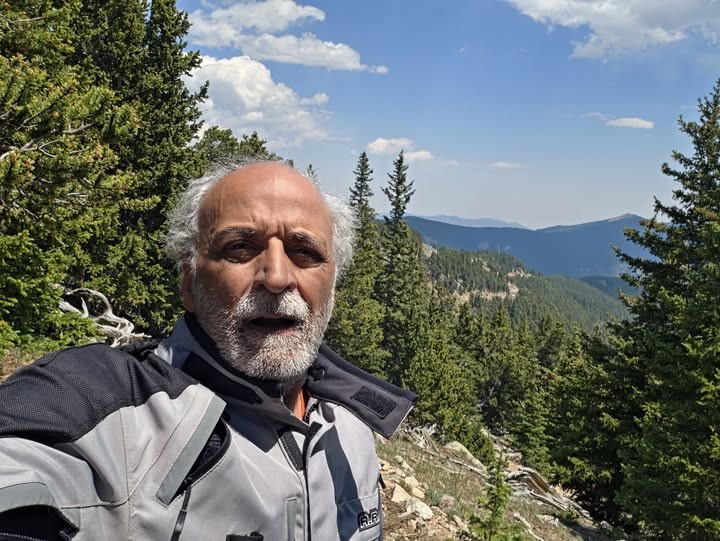
I call myself Mussafir—a traveler without a fixed destination. A nascent photographer wrestling with the existential complexities of life, I wander not so much to discover new places as to understand my place in the world.
I am drawn to solitude and wilderness, to landscapes that ask nothing of me and offer no easy answers. In the Rocky Mountains of Colorado, I find a stillness that is increasingly rare in a world consumed by noise, urgency, and the endless pursuit of more. Away from familiar paths and the expectations of everyday life, I am reminded that there is a difference between being alone and feeling lonely, between escaping the world and learning to see it more clearly.
The mountains have their own language. Wind reshapes the snow, rivers wear down stone, and ancient forests endure seasons of abundance and loss. Nothing stands still, yet nothing seems in a hurry. Here, impermanence is not an idea to contemplate but a truth written across the landscape. Perhaps that is what draws me back: the wilderness asks me to accept what I cannot control and find beauty in what I cannot keep.
My photography emerges from these quiet encounters. I am less interested in iconic destinations than in the moments between them—the first light touching a distant ridge, an eagle disappearing into the vastness, clouds gathering over an empty valley, the last colors of autumn surrendering to winter. These are not scenes to conquer or trophies to collect. They are moments to witness, however briefly, before they become something else.
For me, photography is an exercise in attention. The camera gives me a reason to pause, but the wilderness teaches me when to put it down. Not every moment needs to be framed. Not every experience needs to be shared. Some things become more meaningful when they remain ours alone—not as possessions, but as memories that quietly change the way we see the world.
I wander because I have never been entirely convinced that life is about arriving. Perhaps the journey is less about finding ourselves than about shedding the assumptions, ambitions, and certainties that keep us from seeing who we are. Solitude does not resolve every question. Sometimes it simply makes room for the questions worth carrying.
And so I return to the mountains—not to find an escape from life, but to feel more deeply a part of it. To stand beneath an immense sky and remember how little we control, how briefly we are here, and how much beauty exists beyond our need to name, explain, or possess it.
I am Mussafir. I wander without a destination, seek solitude without seeking escape, and photograph the wilderness to remember that I am not merely passing through the world—the world, in all its wild and impermanent beauty, is passing through me.

